Upcoming Changes to Statutory Sick Pay: What Employers Need to Know
Recent updates to Statutory Sick Pay (SSP) are set to impact how businesses manage employee absence and payroll. For organisations employing head office support staff, understanding these changes is essential to ensure compliance and maintain smooth operations.
What is Changing?
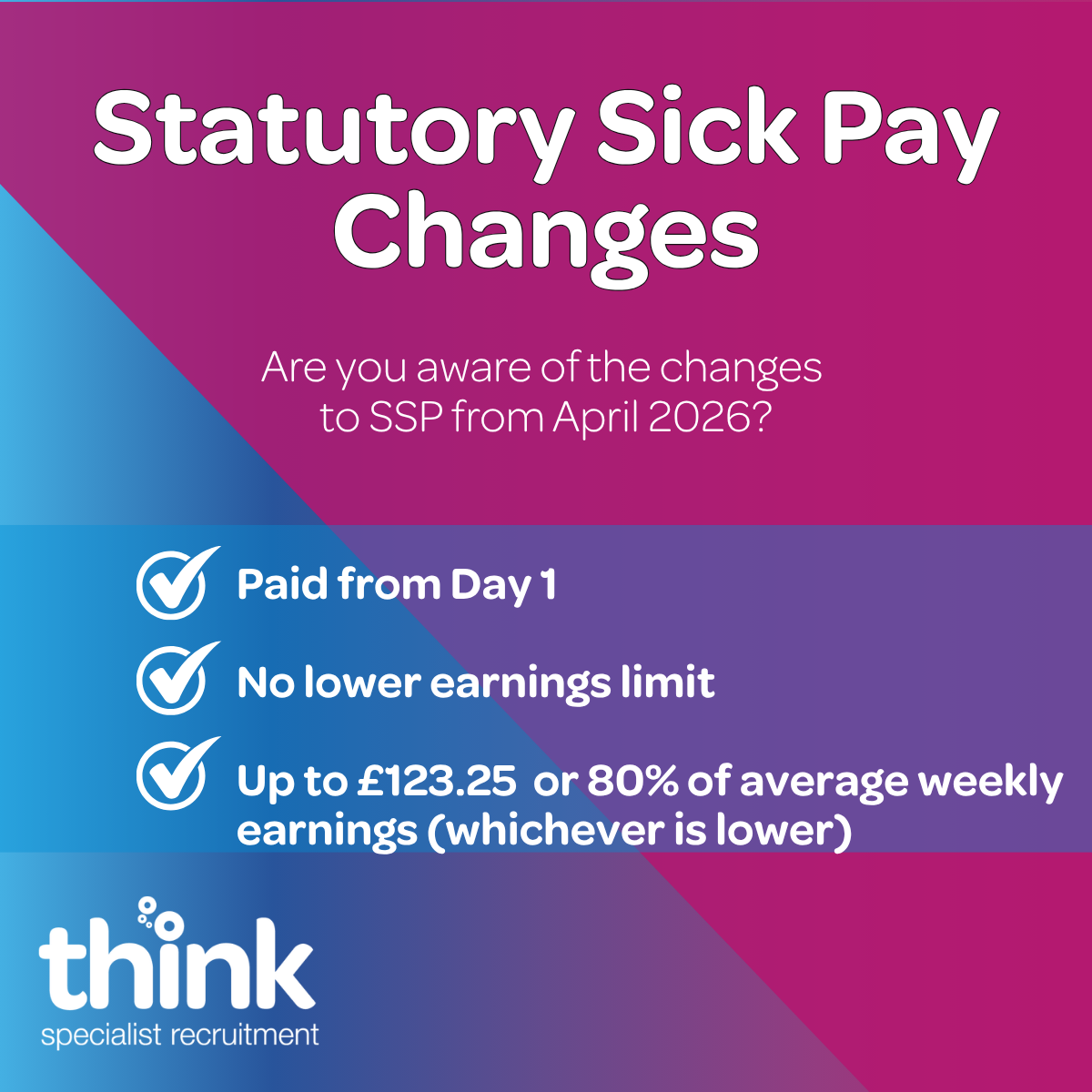
From 6 April 2026, the government has introduced reforms aimed at making SSP more accessible and supportive for employees. Key changes include:
- Removal of the waiting period: SSP will now be payable from the first day of sickness absence, rather than from day four.
- Broader eligibility: Lower earners who previously fell below the earnings threshold may now qualify for SSP.
- Increased employer responsibility: Businesses will need to adjust internal processes to reflect earlier and potentially more frequent SSP payments.
What This Means for Employers
For employers these changes may have several implications:
- Payroll Adjustments
Payroll systems will need to be updated to ensure SSP is calculated and paid from day one of absence. This may require coordination with payroll providers or internal finance teams. - Absence Management Policies
Existing sickness absence policies should be reviewed and updated. Clear communication with employees will be key to avoid confusion around entitlements. - Budget Considerations
With SSP payable earlier and to more employees, businesses may see a slight increase in short-term absence costs. Forward planning will help mitigate any financial impact. - Increased Administrative Oversight
HR teams may experience an increase in administrative workload, particularly in tracking and processing shorter-term absences.
Supporting Your Workforce
While these changes introduce additional responsibilities, they also present an opportunity to strengthen employee wellbeing. Providing clarity, consistency, and support during periods of illness can improve morale and retention, especially within critical support functions.
How We Can Help
If you would like advice on workforce planning or hiring strategies in light of these changes, please don’t hesitate to get in touch with our team.
 Office 1, Kylna Business Centre,
  Membership Number: 00092859